The decision to visit a restaurant is usually made before leaving home. It almost always starts with a search.
Your restaurant has soul.
The question is whether your digital presence manages to convey it.
We know that running a restaurant leaves little time to think about the website.
The experience inside doesn't always reach the customer first.
Instagram as the only showcase
Posts disappear, information gets lost and clients end up calling to ask things they should already know.
The experience isn't communicated online
The atmosphere, the music, the chef's cooking, the wine selection. All of that defines your offering, and it rarely appears coherently in the digital world.
Scattered information, frustrated customer
Hours on Google Maps, menu in an old PDF, events in Stories that already expired. When they can't find what they're looking for in seconds, they choose another place.
We understand your place before touching a line of code.
Every gastronomic space works differently. That's why we start by listening.
The concept of the place
Specialty coffee, chef's restaurant, cocktail bar or hybrid space. Each offering needs a different narrative.
The moments of the day
Many spaces change completely between morning, afternoon and night. The website has to show that evolution.
Your real audience
Neighbors, tourists, workers, night crowd. Understanding who arrives completely changes how we present the information.
How they discover you
Most visits start on Google, social media or a recommendation. We analyze that journey before designing.
The experience of the space
Terrace, live music, tasting menu, gallery. We identify what makes people want to come back.
The friction points
Where clients are lost today: they can't find the menu, don't know if there are reservations, don't know if the place is open.
MAREA
Café · Kitchen · Bar
Conceptual demo created to show how a contemporary restaurant can be structured digitally. It's not a real client — it's a research exercise applied to the gastronomy sector.
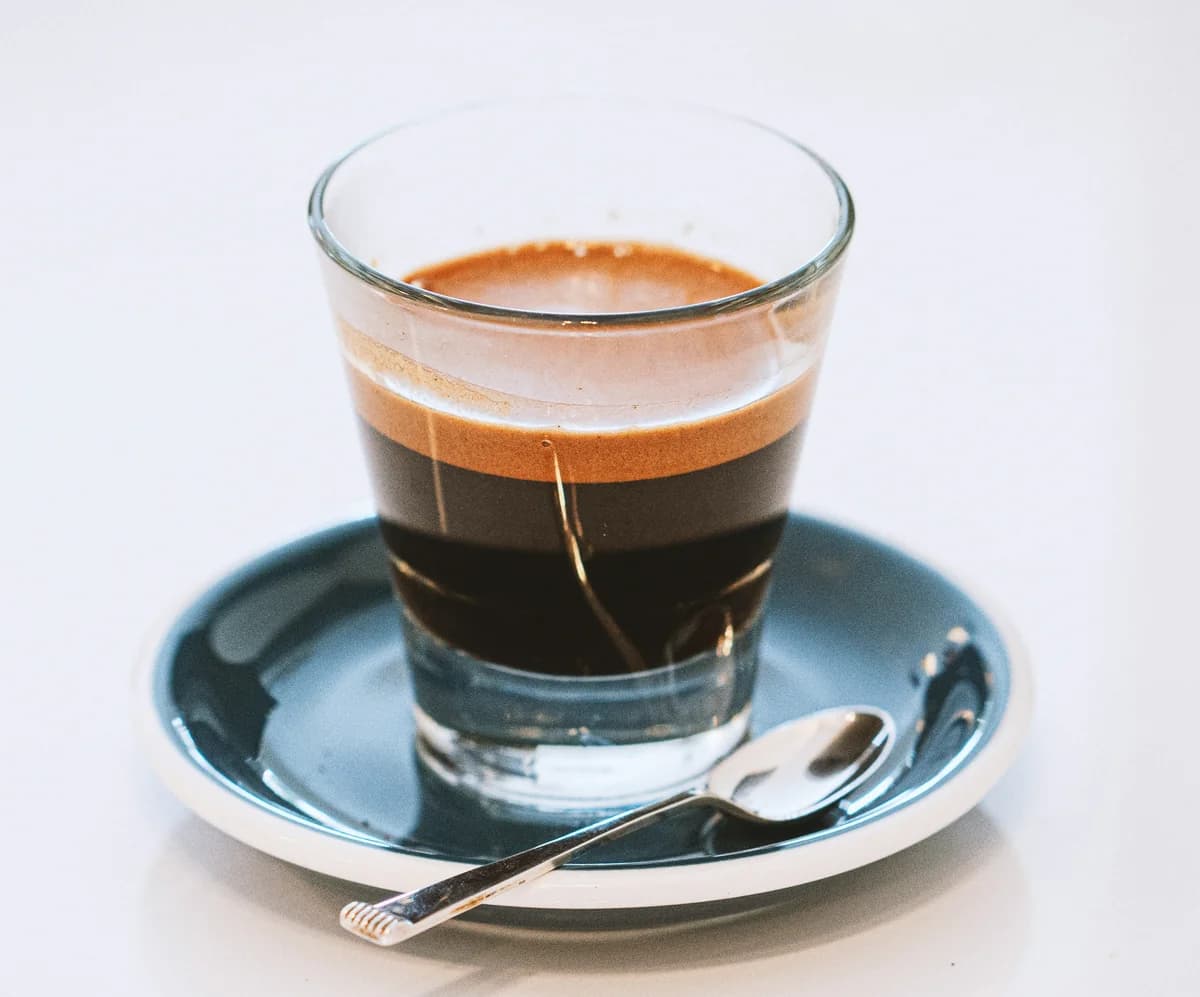
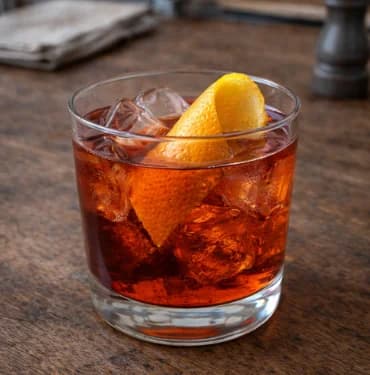
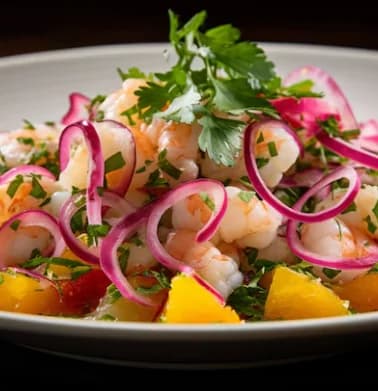
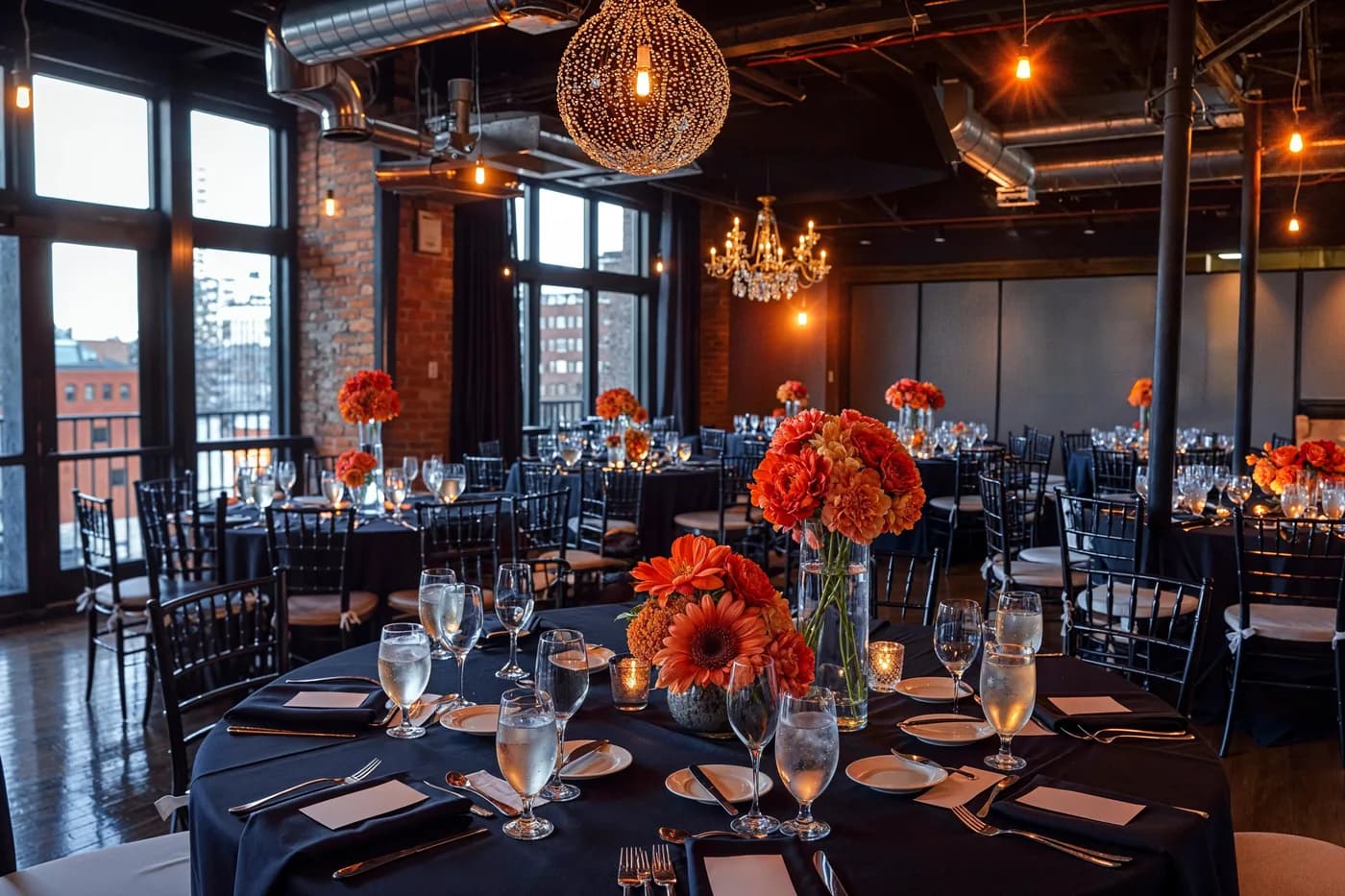
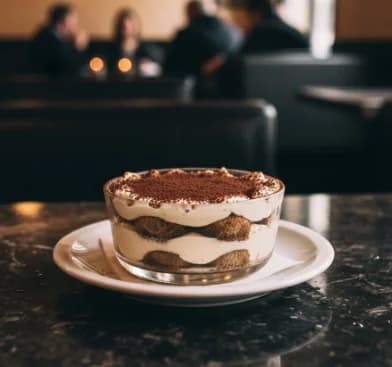
How people search for where to eat.
We studied the real journey of someone who wants to find a place to eat: what they search for, what they look at and when they decide.
What they search for.
They search by neighborhood, cuisine type or time of day. Rarely by name — they search for an experience and compare options.
What they look at.
Photos of the venue, menu, hours and atmosphere. In that order, and in seconds. If any is missing, they fill the gap with assumptions — almost always negative.
When they decide.
Before leaving home. The visit is already chosen — or rejected — long before reaching the door. The website is the moment of decision.
Each element responds to how people discover restaurants.
Editorial typography
Inspired by gastronomy publications. Visual hierarchy guides the visitor before the text.
Protagonist images
The food and the space tell the story. The design doesn't compete with them, it frames them.
Narrative of the day
The site shows how the restaurant evolves: morning coffee, afternoon kitchen, night bar.
Always visible information
Menu, hours, location. What the client looks for first, available in one click, without searching.
Instant loading
Optimized images without losing quality. On mobile, a slow site means a client who already closed the tab.
Integrated calendar
Jazz nights, brunches, tastings, special dinners. Visible, updatable, without depending on anyone.
An architecture designed for quick decisions.
Home
Clear first impression of the restaurant's concept. The visitor understands who you are in the first seconds.
Experience
How the place changes throughout the day. The same space told in three different moments.
Menu
Simple exploration of dishes and drinks by category, with real images that set expectations before arriving.
Events
Calendar of activities and special nights. So the client discovers new reasons to come back.
Contact
Location, hours and reservations always visible. No calling, no searching across three different platforms.
Does your restaurant need something like this?
Note: MAREA is a fictional case created for demonstrative purposes.
What changes when your website speaks for you.
Clients understand the concept of the place before entering.
The perception of quality increases before the first visit.
Finding information stops being a problem for the client.
Direct contact with the client doesn't depend on the reach of a publication.
The digital presence reflects the real identity of the space.
Every restaurant has its own character.
Our work is to translate that character into the digital environment.
Not intuitions. Decisions backed by how people really discover restaurants.
We start with a conversation to understand your gastronomic offering and how it's presented today.
Clear stages and defined timelines. You know at every moment what stage your project is at.
If you feel your online presence doesn't reflect what happens inside the venue, we can analyze it together — at no cost and no obligation.