Why an aggregates company's website isn't built for the person buying sand
The real Comercial Río Hondo case: how we identified who the actual buyer was before designing a single screen.
Short answer
An aggregates supplier's website is designed for the site manager and the construction company comparing suppliers — not for the casual buyer of a bag of sand. Here's how we solved it with Comercial Río Hondo.
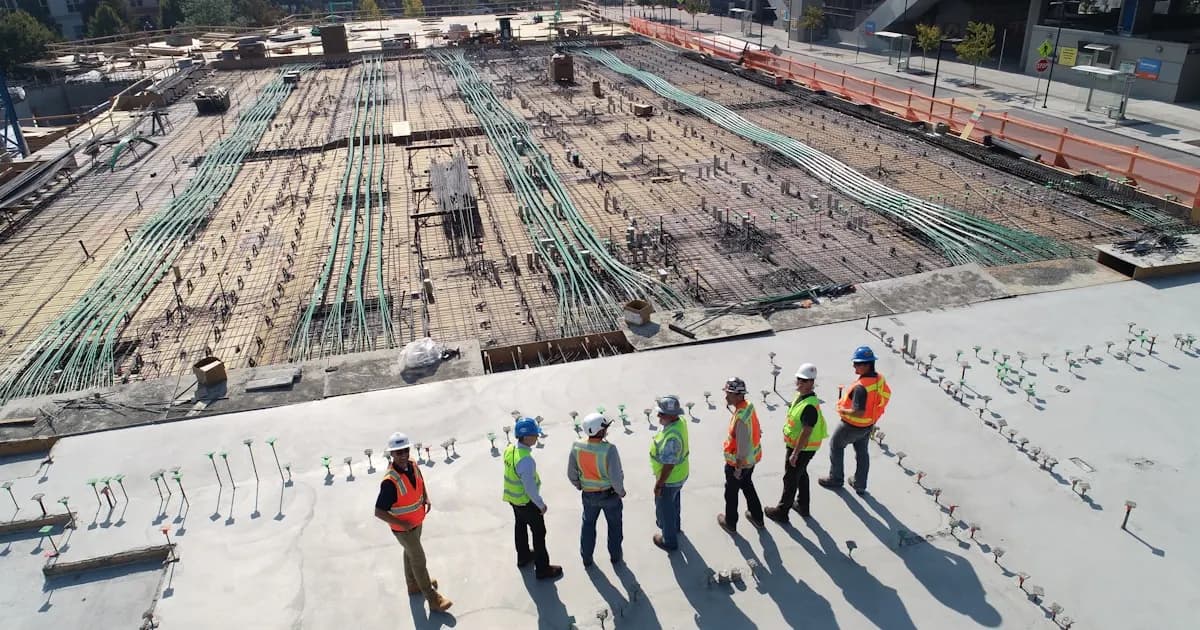
Understand before you build. It's the first principle I apply in any project, and this case shows it well.
The request
Comercial Río Hondo has been selling aggregates and crushed stone for more than 10 years. They supply civil works, roads and highways in Santiago del Estero. They had real track record, more than a decade in the market. What they didn't have was a website. Zero online presence.
If I had taken the request literally — "a page that shows the products" — I would have delivered a pretty catalogue that nobody would actually use well.
What really needed to be solved
Before opening the editor, the question was simple: who searches for this on Google?
It's not the neighbour who needs two bags of sand for the backyard. It's the site manager, the engineer, the construction company. Someone who compares suppliers weeks before a job starts, and needs three things fast: what material is available, in what quantity, and how to get in touch without wasting time.
That changes the whole design. No shopping cart, no retail catalogue. What's needed is for an engineer to land, find the technical sheet for Piedra 19/38 or Base 0/32, see that the company has real scale, and send the inquiry with the material already specified.
What we built with that in mind
- Technical sheet for each product with real applications, not generic descriptions.
- Quarry and process gallery: in construction, scale is communicated by showing, not by saying "we're big".
- A form that pre-loads the inquiry into WhatsApp with the product and the project already filled in, so the first message already has context.
None of this comes from a template. It comes from understanding that the buying cycle in construction is long, and that you need to be present at the exact moment someone is comparing suppliers.
The result
The company now has a presence that matches the projects it does. Engineers and construction companies looking for suppliers in the area find them, see the available materials, and reach out with the information they need.
The bigger idea
Any B2B business starting to think about its website should ask itself the same question before anything else. Not "what do I want to show?", but "who is the one deciding, and what do they need to see to trust?". The design comes after. First you have to understand who you're talking to.
Does your business depend on a technical buyer trusting you before reaching out? Let's talk about how to show it.
Contact us